

 See My Latest Article on HelloNation
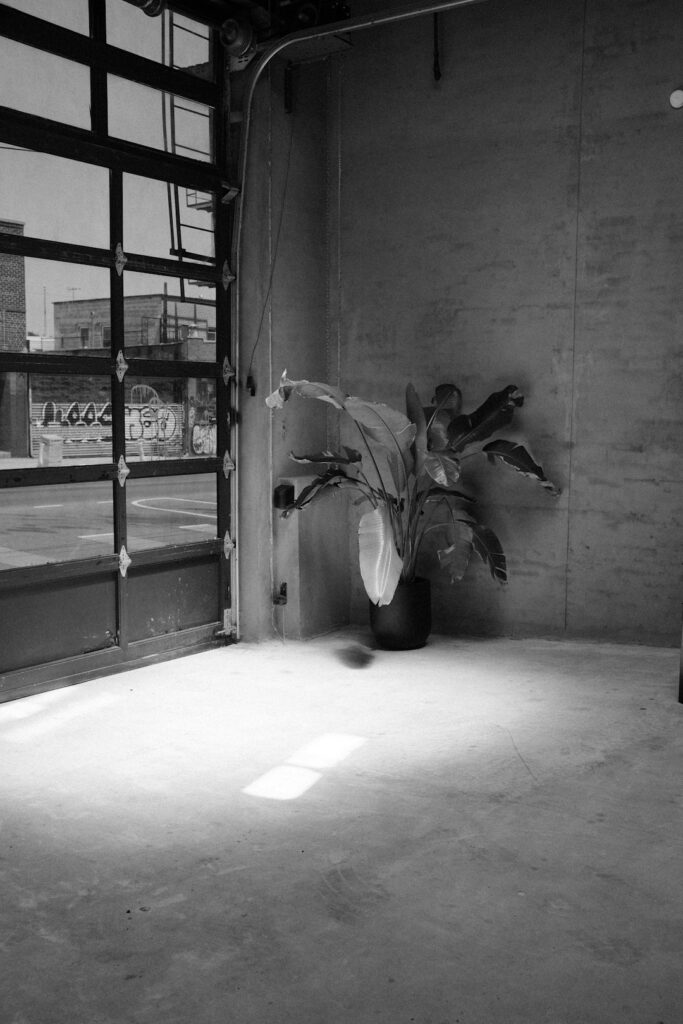
Epoxy flooring can last about 5 to 10 years in a typical residential garage, and a well-installed, higher-build system may remain serviceable for 10 to 20 years or longer. The actual lifespan depends less on the word “epoxy” and more on the coating system, concrete condition, preparation, moisture levels, sunlight, traffic, and maintenance.
What is the normal lifespan of epoxy flooring?
For most homes, a reasonable expectation is:
- 3 to 5 years: Thin DIY coatings exposed to heavy use, moisture, sunlight, or poor preparation
- 5 to 10 years: Properly installed residential garage coatings with ordinary vehicle and foot traffic
- 10 to 20 years or more: Thicker, multi-layer systems with strong concrete preparation and suitable protective topcoats
- Several decades: Commercial or industrial systems that are professionally specified, maintained, and periodically recoated
These ranges describe useful service life, not a guarantee that the floor will look brand new for the entire period. A coating may still protect the concrete after it develops fading, scratches, tire marks, or worn areas.
A lightly used enclosed garage often lasts longer than a workshop where tools, heavy equipment, chemicals, and vehicles regularly impact the surface.
What determines how long epoxy flooring lasts?
The most influential factor is usually surface preparation. Epoxy must bond to clean, sound concrete. Dust, oil, curing compounds, loose material, paint residue, or moisture trapped below the slab can prevent that bond from forming properly.
Preparation may include mechanical abrasion, crack repair, cleaning, and moisture evaluation. Acid etching alone does not always remove contaminants or create a consistent profile, particularly on older garage slabs that have absorbed oil or other fluids.
The coating itself also matters. A thin, single-coat product has less resistance to abrasion and impact than a multi-layer system containing a primer, epoxy body coat, decorative material if desired, and a protective topcoat.
Other lifespan factors include:
- The thickness and number of coating layers
- The quality and age of the concrete
- Vehicle weight and frequency of use
- Exposure to chemicals, standing water, and grit
- Temperature during installation and curing
- Direct sunlight through an open garage door
- Whether cracks or movement in the slab are repaired first
How does Charleston’s climate affect epoxy flooring?
Charleston, SC has hot, humid summers, regular rainfall, and extended periods of damp air. Those conditions make moisture management especially relevant for garage and slab-on-grade floors.
Moisture can move through concrete as vapor. If vapor pressure is high or the slab is not sufficiently dry for the selected coating, the result may be bubbling, cloudy areas, peeling, or delamination. Water that enters from an open garage door, leaks around the walls, or remains under stored items can also create problems over time.
Summer heat presents a separate challenge. A concrete slab can become warm enough to stress a coating, especially where hot vehicle tires sit after driving. “Hot-tire pickup” occurs when the coating loses adhesion and lifts or transfers under the tires. This is generally a bonding and preparation problem rather than simply a sign that epoxy is weak.
Sunlight can cause another type of wear. Standard epoxy may yellow or lose color when exposed to ultraviolet light. This is most noticeable near garage entrances, on patios, or in rooms with strong direct sun. A UV-resistant topcoat can reduce this change, although no coating eliminates all fading under continuous exposure.
Does epoxy flooring last longer indoors or in a garage?
Indoor floors usually last longer when they are protected from direct sunlight, moisture, vehicle tires, and abrasive debris. A residential room with controlled conditions may see less wear than a garage, even if both use similar materials.
Garages are more demanding because they combine several sources of stress:
- Hot tires and vehicle fluids
- Sand and grit carried in by vehicles
- Water tracked in during storms
- Heavy objects being dragged or dropped
- Fluctuating temperatures
- Open doors that allow sunlight and humid air to reach the floor
An enclosed garage with good drainage and limited chemical exposure can still provide a long service life. The key difference is that garage coatings need to be selected and installed for those conditions rather than treated like ordinary interior paint.
What are the signs that epoxy flooring is wearing out?
Normal cosmetic wear does not always mean the floor needs complete replacement. Fading, light scratches, small areas of dullness, and surface scuffing may be repairable or may simply reflect age.
More serious warning signs include:

- Peeling or lifting at the edges
- Bubbles or blisters
- Large areas separating from the concrete
- Cracks that continue to spread
- Exposed concrete caused by abrasion
- Persistent damp spots beneath the coating
- A surface that becomes unusually slippery or powdery
Peeling that appears in isolated areas may result from contamination or localized moisture. Widespread lifting often points to a broader adhesion or vapor problem. Covering these areas with another layer without correcting the cause usually provides only a temporary improvement.
Can epoxy flooring be repaired instead of replaced?
Small areas of damage can sometimes be repaired, particularly when the surrounding coating remains firmly bonded. A repair may involve removing loose material, cleaning and profiling the exposed concrete, filling the damaged area, and blending a compatible coating.
Color and gloss matching can be difficult, especially if the existing floor has faded. A repaired section may remain visible even when the repair is structurally sound.
If peeling affects much of the floor, or if moisture is pushing upward through the slab, a larger removal and preparation process may be necessary. The coating should not be viewed as a way to stop structural movement in cracked or settling concrete. Active slab problems must be addressed separately.
How can homeowners extend the life of epoxy flooring?
Routine care is simple but useful. Sweep away sand and grit before they are ground into the surface, clean spills promptly, and use a mild cleaner that does not leave a heavy film. Avoid dragging metal shelving, appliances, or sharp-edged equipment across the floor.
During wet weather, allow water to drain rather than remaining under rubber mats or stored containers for long periods. Mats can protect high-traffic areas, but they may also trap moisture if the concrete regularly becomes damp.
For garages, it also helps to:
- Wipe up oil, fuel, and chemical spills promptly
- Use padded feet under heavy equipment
- Lift rather than drag bulky objects
- Keep drainage paths clear
- Avoid abrasive cleaners and stiff metal brushes
- Inspect the floor periodically for lifting, cracks, or damp areas
The most durable epoxy floor is not necessarily the thickest or most expensive-looking one. It is the system that matches the concrete, exposure, and intended use, then receives careful preparation and suitable maintenance.
Is epoxy flooring a permanent solution?
No. Epoxy flooring is durable, but it is not permanent and cannot compensate for moisture problems, moving concrete, flooding, or inadequate preparation. In a typical residential setting, planning for inspection or renewal after roughly 7 to 10 years is reasonable, while a well-maintained system may last considerably longer.
The best predictor of lifespan is the condition of the floor beneath the coating. A sound, dry slab with proper preparation gives epoxy a strong foundation. A damp, contaminated, or actively cracking slab can cause premature failure regardless of the product label.